
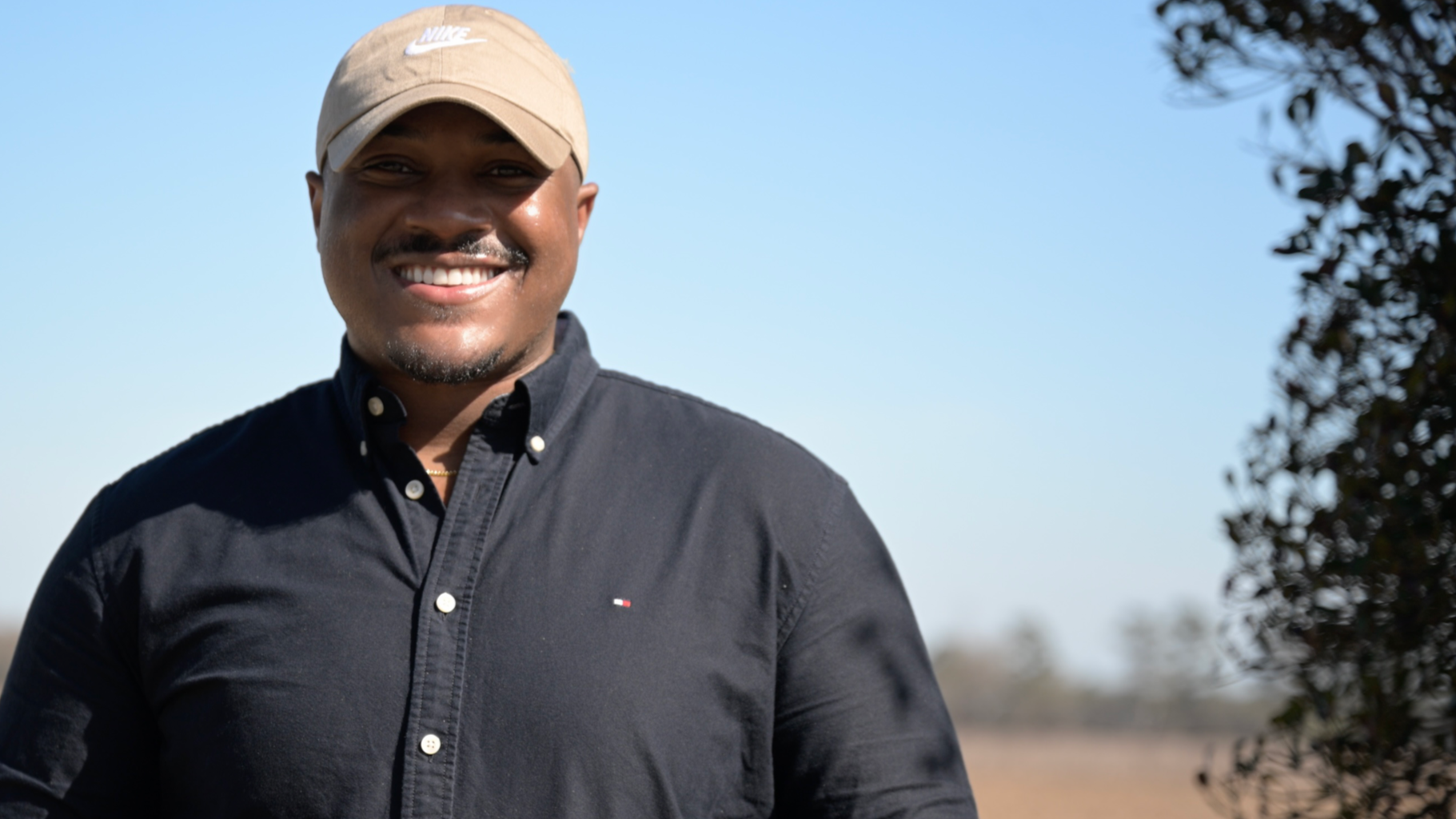
“Grounded in Our Roots, Focused on Our Future”
- DeShawn L. Blanding
Pillar 1: processing
The Problem
South Carolina’s farmers and ranchers currently receive only 15 cents out of every dollar spent on food. The average age of a South Carolina farmer is nearly 60. Family farms are disappearing. Agricultural production is held back by processing bottlenecks, limited infrastructure, and a fragmented supply chain that exports economic value out of state. At the same time, rural communities lack the digital infrastructure to stay viable with technological advancements, and a single weather event or economic shock can wipe out years of progress without a resilience framework in place.
The Plan
-
Using the $40 million Growing Agribusiness Fund established in 2024 as the public investment anchor, we will invest in sustainable, locally rooted processing facilities. By expanding meat processing, packing, lumber mills, and manufacturing closer to where food and trees are grown, we will create jobs, reduce transportation costs, keep more food dollars in South Carolina, and provide farmers with more profitable markets. Priority will go to partnerships between local governments, farmers, cooperatives, and private industry with incentives for facilities that are worker-owned cooperatives and community-governed enterprises, ensuring the wealth they generate stays in local communities, gives workers a direct ownership stake, and creates lasting economic opportunity across rural South Carolina.
-
Build a statewide research and innovation network of four Regional Agriculture Innovation Centers through public-private partnerships with local governments, Clemson University, SC State University, and the state’s technical college system. Each center includes shared-use processing facilities, cold storage, aggregation capacity, a business incubation component, and direct connection to Clemson and SC State Extension services, and each center integrates processing, research, entrepreneurship, and workforce development for its regional commodity base.
Lowcountry/Coastal Center — Aquaculture, seafood processing, and coastal fisheries. Hub for South Carolina’s growing shrimping, shellfish, and fish farming sectors with shared processing and cold chain infrastructure.
Upstate/Western Piedmont Center — Livestock operations, poultry producers, and pasture-based agriculture. Addresses the gap in small- and mid-scale meat processing that forces SC livestock farmers to send animals out of state.
Pee Dee/Midlands Center — Commodity growers, fruit and vegetable producers, and specialty crop farmers. Anchored to the Florence State Farmers Market, connecting row crop producers to value-added markets and direct local supply chains.
Central Coastal Plain/I-26 Corridor Center — Forestry, milling, and wood products manufacturing. Supports the timber sector, which covers over 60% of SC’s land base, with sustainable forestry innovation and rural manufacturing.
-
Transform State Farmers Markets into local food aggregation hubs that serve as local anchors for the food supply chain. These hubs reduce food miles, help farmers keep more of the food dollar, and make fresh food more affordable and accessible for families across the state. Each hub would include:
Cold storage expansion and aggregation facilities.
Grain handling upgrades and feed milling capacity.
Regionally scaled, multifaceted processing capabilities.
A food policy council that steers the hub through partnerships with local churches, community-based organizations, local restaurants and businesses, and other institutions.
-
South Carolina should become a hub for agricultural input and biomanufacturing by attracting and expanding businesses that produce fertilizer, animal feed, seed, irrigation equipment, farm machinery, bio-based products, renewable materials, and other essential agricultural inputs. Strengthening these industries will create good-paying jobs, reduce supply chain disruptions, lower costs for farmers, expand markets for South Carolina-grown crops, and position our state as a leader in the next generation of agricultural innovation.
-
Create a statewide emergency response and resilience framework that includes:
A Farmer Emergency Fund providing rapid-response assistance during economic downturns, extreme weather events, and supply chain disruptions.
A coordinated disaster response infrastructure that positions SCDA as the first call — not an afterthought — when agricultural emergencies hit.
Pre-disaster resilience planning, working with county extension offices to help farms build financial and operational buffers before catastrophe strikes.
-
Precision agriculture such as satellite monitoring, AI-guided farm management, drone surveillance, digital commodity trading is no longer optional for competitive farming. But it requires broadband, and broadband remains scarce across South Carolina’s rural counties. As Commissioner:
Advocate for low-cost precision agriculture tool access programs that partners with land grant universities – Clemson and SC State – to subsidize precision agriculture technologies such as sensors, cooperative drone services, and shared data platforms so small farms can access on-farm technological advancements to a level playing field.
Formally position SCDA as an advocate for rural agricultural broadband, partnering with SCDOT, the Office of Regulatory Staff, and federal USDA ReConnect program administrators to prioritize agricultural areas in broadband deployment plans.
Embed digital literacy and precision agriculture training into every Regional Innovation Center curriculum, ensuring that new technology is accessible to farmers of all scales and backgrounds.