
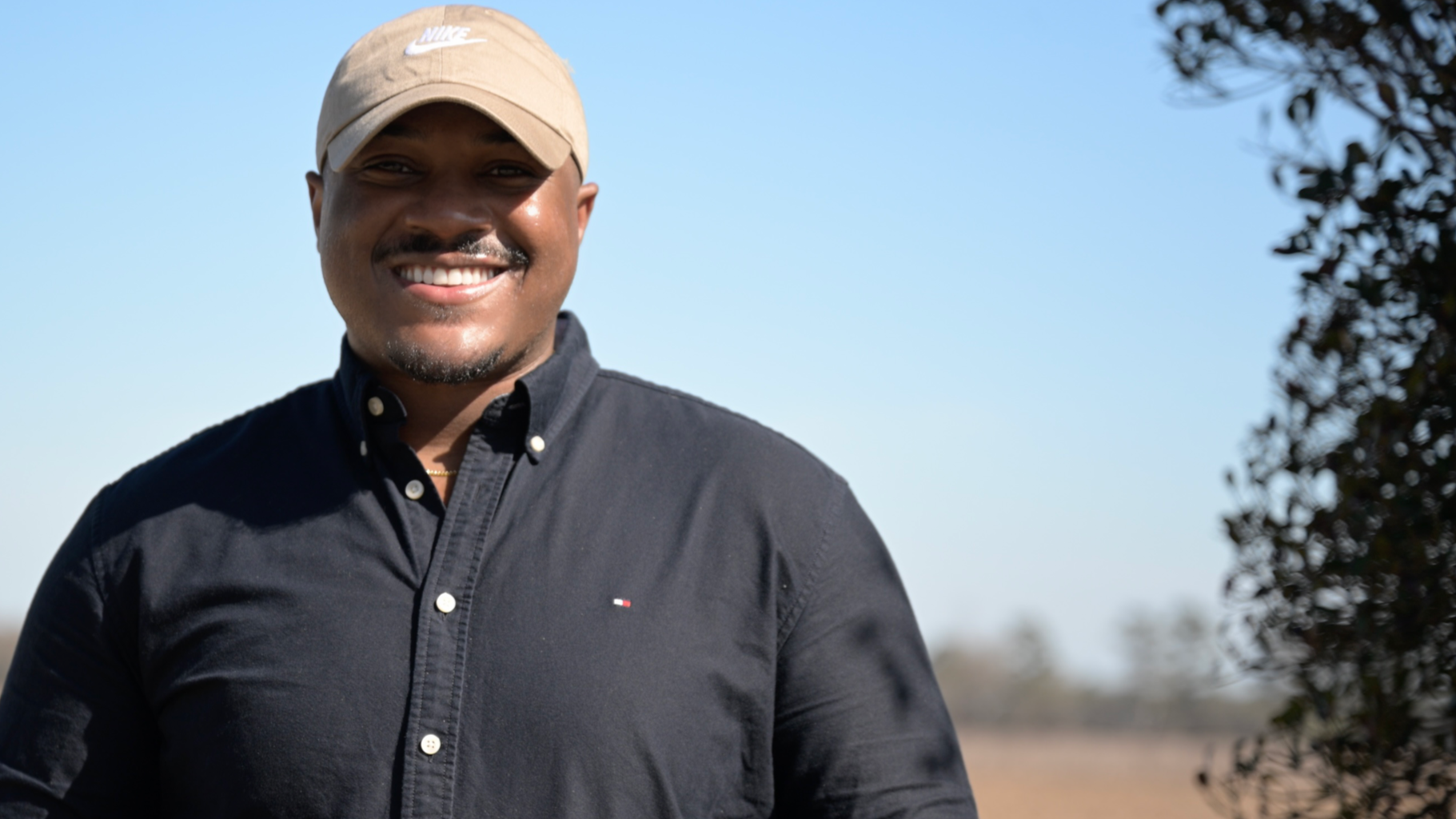
“Grounded in Our Roots, Focused on Our Future”
- DeShawn L. Blanding
Pillar 5: PEOPLE
The Problem
The Commissioner’s Consumer Protection responsibility is large — 24,000 retail food establishments, every gas pump and grocery scale in the state, motor fuel quality standards — and critically important. But it was designed for an economy that no longer exists. Rural communities are underserved by current inspection systems, E15 ethanol fuel is largely unavailable despite being good for farmers and consumers, and EV charging stations — proliferating across the state with federal NEVI infrastructure dollars — don’t have a formal inspection framework.
The Plan
-
Direct the Consumer Services division to produce a county-level Consumer Protection Audit analyzing inspection frequency and complaint rates across weighing and measuring devices, fuel dispensers, and retail food establishments. Prioritize rural and lower-income communities where violations create the greatest harm. Publish the findings publicly and use the data to drive inspection scheduling. Pair with a public awareness campaign delivered through community networks so rural consumers know how to report problems at the pump or in the market.
-
As EV charging stations multiply across South Carolina, driven by federal NEVI infrastructure funding, there is currently no state agency systematically inspecting them for accuracy. As Commissioner:
Assert and clarify SCDA’s weights and measures authority over commercial EV charging stations, establishing South Carolina as one of the first states to formally bring EV chargers under the same inspection framework as fuel dispensers.
Work with the Legislature and the Public Service Commission to codify SCDA’s inspection role, filling the regulatory gap before it becomes a consumer problem at scale.
Ensure that rural EV charging stations — being built along SC corridors through NEVI funds — are held to the same accuracy and labeling standards as urban stations, protecting rural drivers who have fewer alternatives if a station is faulty.
-
SCDA absorbed DHEC’s retail food safety responsibilities in July 2024, adding 24,000 establishments to its oversight portfolio. Ensure this transition serves all South Carolinians by:
Conducting a rural food safety compliance assistance program that helps small food producers and processors understand and meet permit requirements, removing barriers that cause small operations to remain informal or unlicensed.
Publishing county-level food safety inspection data in a public-facing dashboard so communities can hold establishments accountable and track improvement over time.
Prioritizing outreach to communities without grocery stores or fresh food access, where food safety oversight is most critical and historically least consistent.
-
The Commissioner sets fuel quality standards and labeling requirements for all motor fuel sold in South Carolina. E15 — a blend of 15% ethanol and 85% gasoline represents both a consumer savings opportunity and a new domestic market for South Carolina’s corn farmers. As Commissioner:
Use existing labeling and quality standard authority to establish clear, consistent E15 pump standards statewide.
Work with fuel distributors and retailers to expand E15 availability, particularly in rural communities where farmers are both producing the corn and paying for the fuel.
Advocate for SC-grown corn as the feedstock for any in-state ethanol blending operations, connecting to the SC Corn Board and existing commodity infrastructure.
Promote E15 as a consumer savings tool — it typically costs less per gallon than E10 — while simultaneously creating new domestic demand for SC corn farmers.